%2Ffit-in%2F250x250%2Fguide_websites%2F13226%2Fimages%2F17873712989986fbc528d-323c-4f1f-9f50-a31e53b525e8.jpeg&w=1920&q=100)
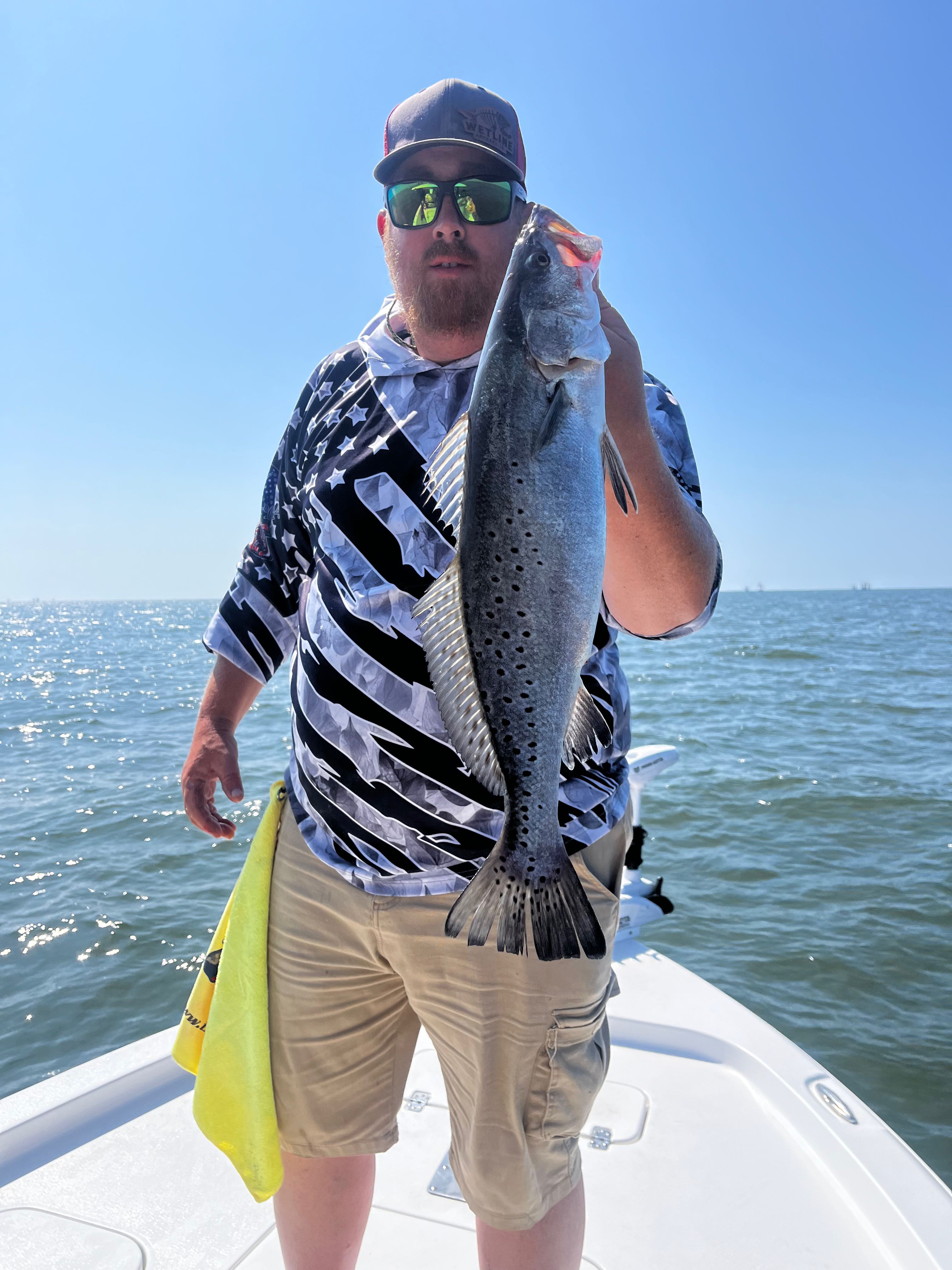
Caught a Sheepshead Inshore in St Bernard
Sheepshead Fishing in St Bernard, LA
%2F%2Fusers%2Fad46afc1-76df-4e08-96c3-1bba61e85905%2Fimages%2Ffish-catch-cleaning-table-st-12839.png&w=1920&q=75)
The Archosargus Probatocephalus belongs to the order Perciformes and family Sparidae. It typically measures between 14 and 20 inches in length, with a weight range from 1 to 8 lbs. - Habitat: onshore, nearshore, offshore, reef, wreck. - Known for distinctive black vertical bars and human-like teeth.
Fishing Charter by Captain Shawn Mitchell in January
- Premier Home Grown Charters


Summary
Captain Shawn Mitchell of SaltyFrog Charters on Friday January delivers exceptional inshore fishing experiences in St Bernard's productive District E waters. This 7-hour fishing charter accommodates up to 2 guests aboard a comfortable boat, targeting sheepshead, redfish, and sea trout using sight fishing, drift fishing, and bottom fishing techniques. Winter months provide consistent action around rocky structure and shallow flats, with experienced local guidance ensuring productive trips. Licensed captain provides all fishing gear while guests bring Louisiana fishing license, snacks, and cooler for cleaned fillets. Early morning departures from Hopedale Highway maximize fishing time in prime inshore waters where multiple species feed actively throughout the day.
Fishing Charter with Captain Shawn Mitchell – Rates & Booking
Captain Shawn Mitchell of SaltyFrog Charters on Friday January runs full-day inshore fishing trips perfect for 2 anglers seeking quality action in St Bernard waters. This 7-hour charter departs at 6:00 AM from 5717 Hopedale Highway, giving you maximum time to work District E's productive fishing grounds. The trip rate covers boat, fuel, tackle, and professional guide service, with a 15% deposit securing your booking. Guests need a valid Louisiana fishing license, snacks, drinks, and a small cooler for cleaned fillets. Captain Mitchell's local expertise and multiple fishing techniques ensure consistent results whether you're targeting sheepshead around structure or redfish in the shallows.
Highlights of Full Day Guided Fishing Trip In St. Bernard, LA - Redfish, Sea Trout And More (Good For 2 Guests)
District E waters offer exceptional inshore fishing diversity, allowing Captain Mitchell to employ sight fishing, drift fishing, and bottom fishing techniques in the same trip. Winter months provide reliable sheepshead action around rocky structure, while redfish remain active in shallow areas throughout the season. The 7-hour duration provides ample time to explore different areas and adapt to changing conditions, maximizing your chances for a mixed bag of quality fish.
SaltyFrog Charters operates with a straightforward approach—show up ready to fish while Captain Mitchell handles the rest. The boat accommodates up to 4 people comfortably, ensuring plenty of space for 2 anglers to fish effectively. All tackle is provided, and fish cleaning service prepares your catch for the cooler, making this a hassle-free fishing experience from start to finish.
Local Species Insights: Sheepshead
Sheepshead thrive in St Bernard's inshore waters, particularly around rocky structure, pilings, and jetties where they feed on barnacles, crabs, and oysters. These distinctive fish with their human-like teeth require specific techniques and baits to hook consistently. Captain Mitchell knows the prime sheepshead spots in District E waters, using fiddler crabs and shrimp to entice these structure-loving fish. Winter months often provide the most consistent sheepshead action as they congregate around predictable feeding areas, making them an ideal target for inshore fishing trips.
Plan Your Fishing Charter Day
Your 7-hour adventure begins with a 6:00 AM departure from Hopedale Highway, allowing you to reach prime fishing areas as the sun rises. Captain Mitchell provides all fishing equipment, tackle, and bait while you bring your Louisiana fishing license, preferred snacks and drinks, plus a small cooler for your cleaned catch. The boat comfortably handles up to 4 people, giving 2 anglers plenty of room to fish multiple techniques throughout the day. Fish cleaning service ensures your sheepshead, redfish, and sea trout are properly prepared for transport home.
Fishing in St Bernard, LA: Tautog and Sheepshead
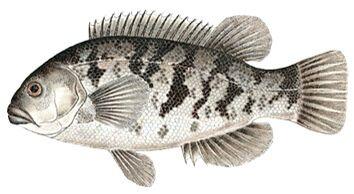
The Sheepshead (Archosargus probatocephalus) is a distinctive member of the Sparidae family, easily recognized by its compressed grey body and five to seven dark vertical bars that earned it the nickname "convict fish." Most famous for their human-like teeth, sheepshead are perfectly adapted for crushing shellfish and crustaceans around structure. In St Bernard waters this January, anglers find them concentrated around pilings, jetties, and rocky areas where they feed actively during winter months.
Sheepshead Overview
Sheepshead are prized inshore gamefish known for their challenging fight and excellent table fare. Their unique dental structure allows them to crush barnacles, oysters, and crabs with ease, making them perfectly suited for Louisiana's structure-rich inshore waters. Anglers value sheepshead for their consistent winter availability and distinctive appearance.
Sheepshead Habitat and Distribution
These fish inhabit onshore, nearshore, and offshore environments, particularly around reefs, wrecks, and hard structure. In Louisiana waters, sheepshead concentrate around oil rigs, bridge pilings, and jetties where their preferred prey thrives. They move between shallow and deeper waters seasonally, with winter months bringing them closer to inshore structure.
Sheepshead Size and Weight
Common sheepshead range from 14 to 20 inches and weigh between 1 to 8 pounds. Exceptional specimens can reach 20 pounds and 35 inches, though fish in the 2-4 pound range provide the most consistent action for inshore anglers.
Sheepshead Diet and Behavior
Sheepshead feed primarily on crustaceans, mollusks, and barnacles, using their powerful teeth to crush hard-shelled prey. They're most active during daylight hours, particularly around structure where food sources concentrate. Winter feeding patterns make them predictable targets for experienced guides who know their preferred haunts.
Sheepshead Spawning Season
Spawning occurs in offshore waters during late winter and early spring when water temperatures reach optimal ranges. During this period, larger sheepshead move to deeper waters, while smaller fish remain around inshore structure year-round.
Sheepshead Fishing Techniques
Successful sheepshead fishing requires light tackle, small hooks, and natural baits like fiddler crabs, shrimp, or oysters. Bottom fishing around structure produces best results, with anglers using minimal weight to feel subtle bites. In January around St Bernard, experienced captains target known structure areas during incoming tides when sheepshead feed most actively.
Sheepshead Is It Good to Eat?
Sheepshead offer excellent table fare with firm, white meat and mild flavor. Their diet of crustaceans and mollusks contributes to their sweet taste, making them popular for grilling, frying, or baking. High protein content and low mercury levels make them a healthy seafood choice.
Sheepshead Frequently Asked Questions
Q: What is the best bait for sheepshead?
A: Fiddler crabs are the top choice, followed by fresh shrimp and oysters. Small pieces work best on appropriately sized hooks.
Q: Where can I find sheepshead near St Bernard?
A: Look around bridge pilings, jetties, oil rigs, and any hard structure where barnacles and oysters grow.
Q: Is sheepshead good to eat?
A: Yes, sheepshead have excellent white meat with a mild, sweet flavor that's perfect for various cooking methods.
Q: When is the best time to catch sheepshead?
A: Winter months provide the most consistent action, with incoming tides and daylight hours producing best results.
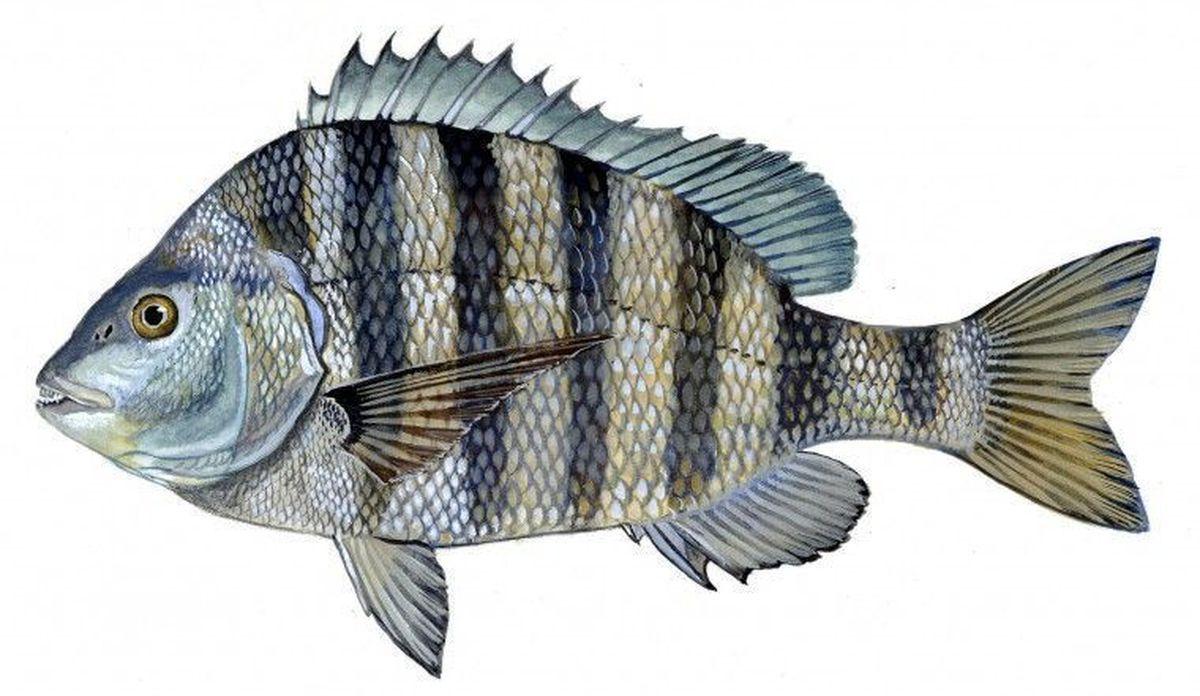
The Tautog (Tautoga onitis), commonly called Blackfish, is a member of the Labridae family known for its mottled skin patterns and stout build. This wrasse species features thick fins and strong teeth, perfectly adapted for feeding around rocky structure. While more commonly found from South Carolina to Nova Scotia, tautog occasionally appear in Louisiana waters, making them an exciting catch for St Bernard anglers in January.
Tautog Overview
Tautog are distinctive wrasse family members prized for their fighting ability and excellent table fare. Their mottled coloration and robust build make them easily recognizable, while their preference for rocky structure creates exciting fishing opportunities around jetties and hard bottom areas.
Tautog Habitat and Distribution
These fish inhabit rocky outcrops, boulders, and jetties where they find shelter and food sources. Primary range extends along the Atlantic coast, though occasional specimens appear in Gulf waters, particularly around oil rigs and artificial reefs that mimic their preferred rocky habitat.
Tautog Size and Weight
Tautog range from 1 to 36 inches in length, typically weighing between 1 to 3 pounds. Larger specimens provide excellent sport on light tackle, while their strong build ensures a memorable fight regardless of size.
Tautog Diet and Behavior
These fish feed on crustaceans, mollusks, and marine worms found around rocky structure. Their strong teeth allow them to crush shells and extract prey from crevices, making them well-adapted to their preferred habitat.
Tautog Spawning Season
Spawning occurs in spring and early summer when water temperatures warm sufficiently. During this period, tautog may move to slightly deeper waters while maintaining their association with hard structure.
Tautog Fishing Techniques
Bottom fishing with natural baits like crabs, clams, or marine worms produces best results around rocky structure. Light tackle allows anglers to feel subtle bites while providing enough strength to pull fish from their rocky hideouts.
Tautog Is It Good to Eat?
Tautog offer excellent eating with firm, white meat and mild flavor. Their diet of crustaceans and mollusks contributes to their quality, making them a prized catch for the dinner table.
Tautog Frequently Asked Questions
Q: What is the best bait for tautog?
A: Green crabs, clams, and marine worms work well, with fresh bait being essential for success.
Q: Where can I find tautog near St Bernard?
A: Look around oil rigs, artificial reefs, and any hard structure that mimics their preferred rocky habitat.
Q: Is tautog good to eat?
A: Yes, tautog have excellent white meat with firm texture and mild flavor, perfect for various cooking methods.
Q: When is the best time to catch tautog?
A: Cooler months often provide better opportunities, with structure fishing during daylight hours producing best results.
More species you can explore on this trip
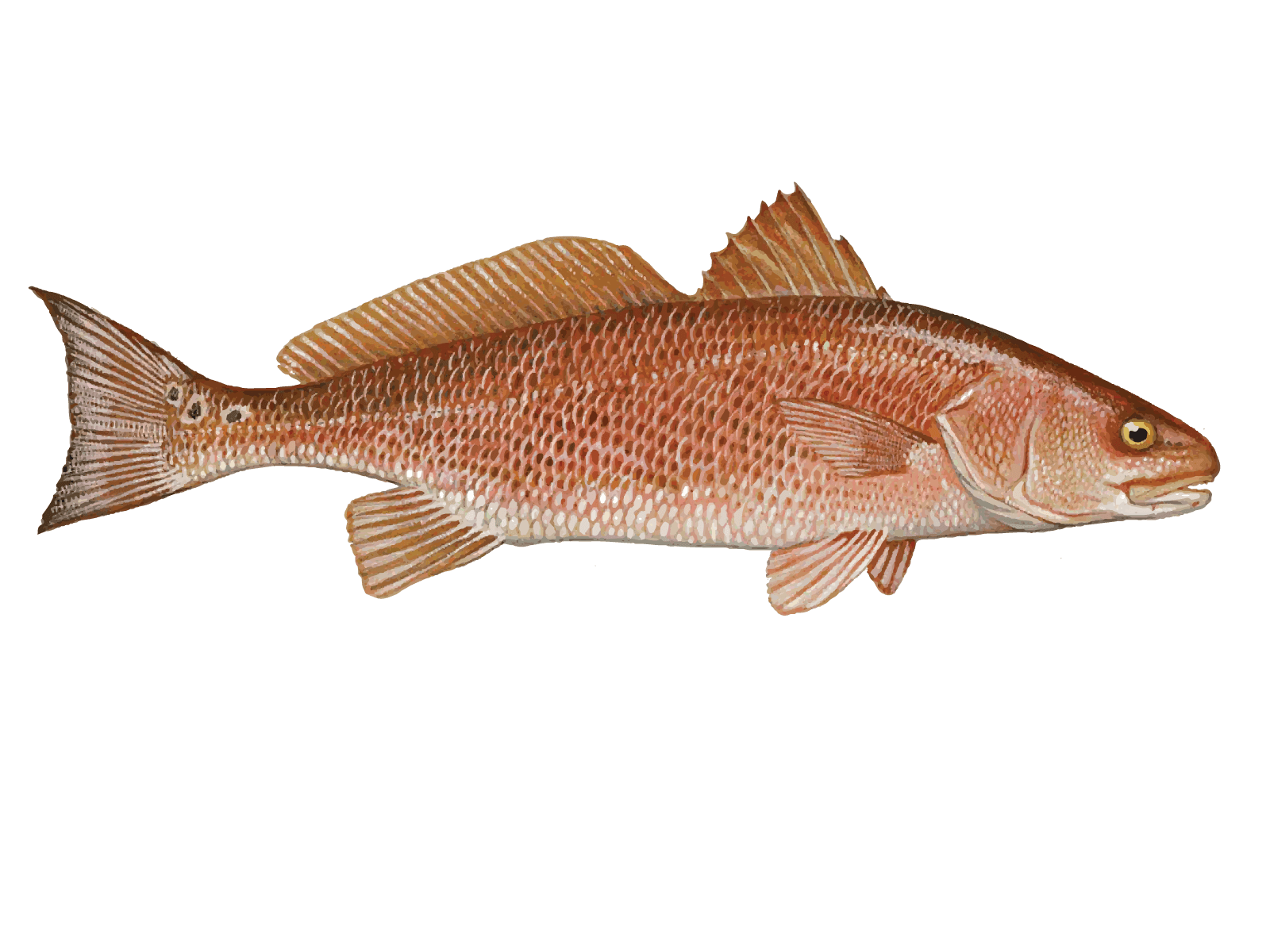
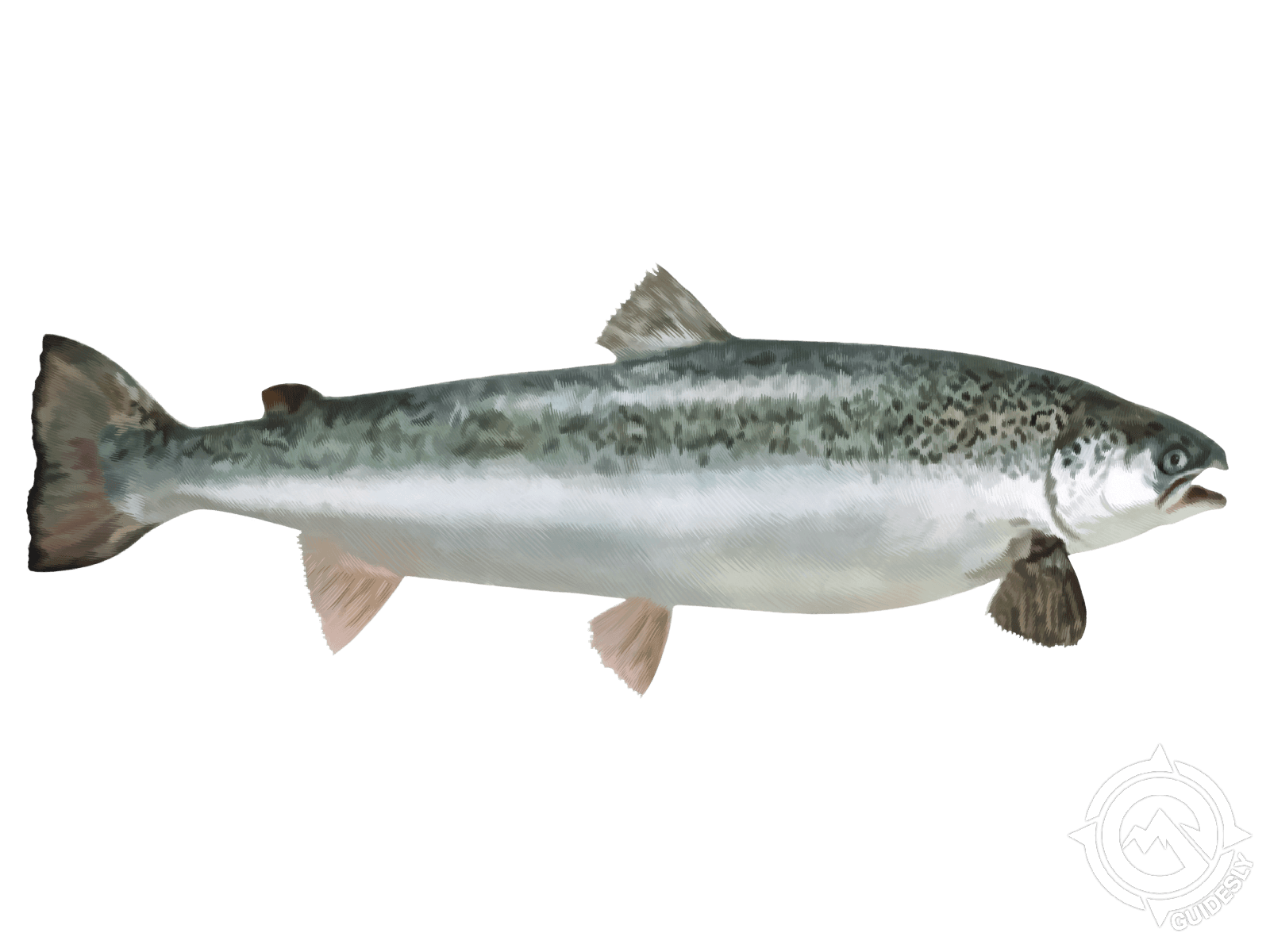
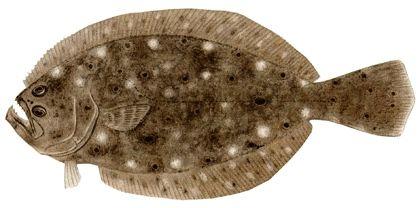
SaltyFrog Charters Available Trips
Other customer memories from this trip
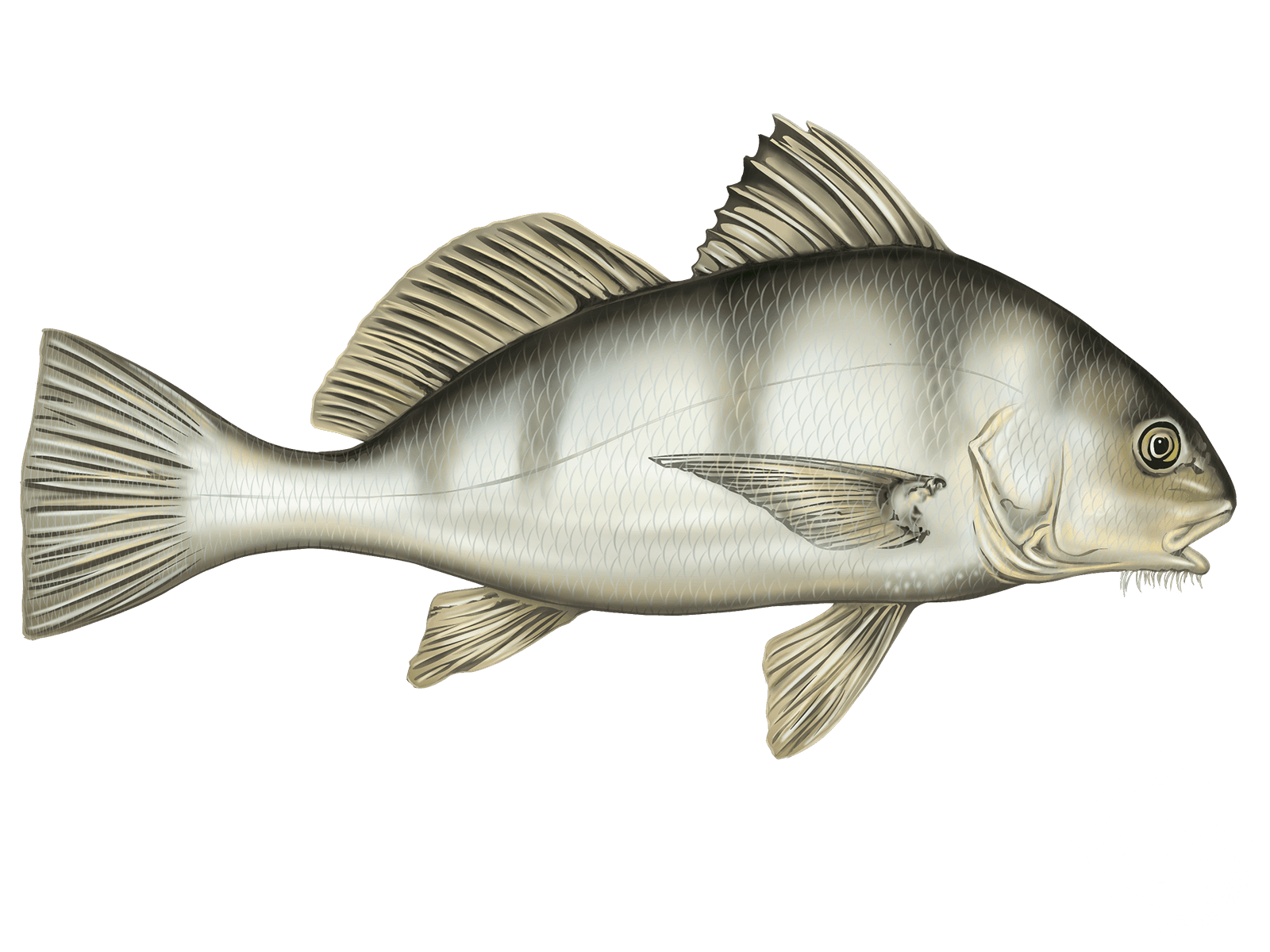
Ready for a laid-back day on the water? Join SaltyFrog Charters for a 7-hour fishing trip in St. Bernard, Louisiana. You and a buddy will cruise the inshore waters on a comfy boat built for four, targeting local favorites like redfish, black drum, sea trout, and summer flounder. No need to stress about gear - just bring your fishing license, some snacks and drinks, and a small cooler for your catch. We'll meet up at 5717 Hopedale Hwy at 6:00 AM to get an early start. This is a no-fuss kind of trip - we keep things simple so you can focus on reeling in the big ones. A small deposit holds your spot, then it's smooth sailing from there. So grab your hat and sunscreen, and let's see what's biting in the bayou!